

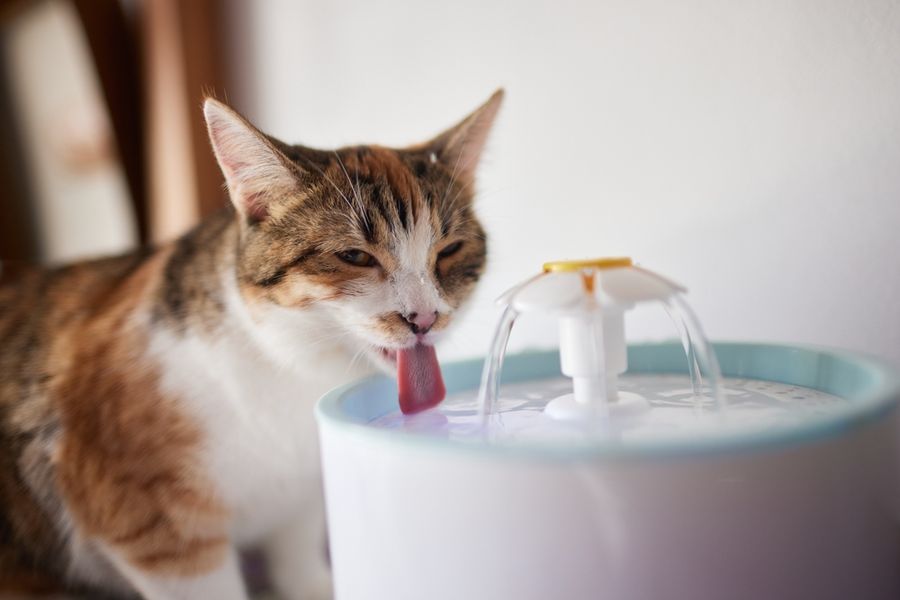
Staying well-hydrated is essential for a cat’s health, but many cats prefer running water over still water in a bowl. Automatic water fountain bowls offer a solution by keeping water moving and fresh all day. Top fountains can help encourage cats to drink more, which supports kidney function and overall well-being. Understand how automatic water fountains work, why they appeal to cats, and how to choose and use them effectively at home.
Why Cats Prefer Running Water
Cats are instinctively drawn to running water for several reasons. In the wild, moving water is often cleaner and safer to drink than stagnant water. This instinct can carry over to domesticated cats, making them more likely to approach and drink from a flowing source.
Many cats ignore traditional water bowls, even when they drink enough at certain times, because still water doesn’t attract them. Automatic water fountain bowls continuously circulate water, creating motion and sound that mimic streams or puddles. This visual and sensory appeal often encourages cats to drink more than they would from a plain dish.
When cats drink more consistently, it helps support hydration and can reduce the risk of urinary tract issues. For owners of multiple cats or older cats, this benefit can be especially valuable.
How Automatic Water Fountain Bowls Work
Automatic water fountain bowls use a small pump to keep water moving in a loop. The pump pulls water from the basin and pushes it back up through a spout or over a tier, creating a gentle flow. Water circulates continuously, which helps prevent it from becoming stale.
Most fountains include a filter that removes debris, hair, and odor. Filters typically contain activated carbon or foam that traps impurities. Regular filter changes keep the water clean, which also encourages cats to drink.
These fountains are usually powered by electricity, with many models offering USB or plug-in options. The continuous flow and filtration mimic natural water movement and make the water taste fresher to cats.
Popular Automatic Water Fountain Bowls for Cats
Several automatic water fountain bowls are commonly used by cat owners in the United States. One well-known option is the Catit Flower Fountain, which features a tiered design and multiple water flow settings. Its gentle motion and easy-to-clean parts make it a popular choice for everyday use.
Another popular model is the PetSafe Drinkwell Original Fountain, which offers a steady stream and wide basin that works well for single- or multi-cat households. Cats who like to drink from moving water often respond well to its constant flow.
For owners who want a quieter option, the Pioneer Pet Raindrop Fountain uses ceramic materials and a simple design that many cats find appealing. Ceramic also helps keep water cool, which can attract cats on warm days.
Each of these fountains supports continuous circulation and includes a filtration system to improve water quality.
How Fountains Encourage Healthy Drinking Habits
Automatic water fountain bowls help cats drink more by making water more attractive and accessible. Moving water draws attention and often keeps cats returning throughout the day. This steady intake supports kidney health and helps prevent common issues like crystals or urinary irritation.
For indoor cats who have limited activity space, fountains add an element of interest to their environment. The sound and motion of water can stimulate curiosity and make hydration part of play and exploration.
In homes with multiple cats, a larger fountain helps ensure water is available to more than one pet at a time. Some fountains even include multiple spouts or platforms that reduce competition and encourage all cats to drink.
Setting Up and Maintaining a Fountain
Proper setup and maintenance help automatic water fountains work at their best. Place the fountain on a flat, stable surface near a power source. Avoid placing it next to loud appliances or high-traffic areas, as noise and movement can distract shy cats.
Cleaning is key to keeping water fresh and inviting. Most fountains have removable parts that make washing simple. Emptying and rinsing the fountain regularly prevents buildup of slime, hair, and odor. Cleaning filters according to manufacturer instructions keeps water flowing cleanly.
Regular maintenance also helps ensure the pump runs smoothly. Debris can collect around the intake, so checking and cleaning the pump area helps keep the fountain working quietly and efficiently.
Tips for Transitioning Cats to a Fountain
Some cats take to fountains right away, while others need encouragement. Start by placing the fountain where the cat already drinks from a bowl. This familiar location helps the cat explore without feeling displaced.
You can also try adding a little fresh water to the fountain when first introducing it. The sound and movement often draw cats in on their own, but offering extra water makes the experience more inviting.
Being patient and observing your cat’s comfort level helps. Some cats prefer drinking from the top flow, while others like to lap at the side basin. Watching behavior helps you place the fountain in a way that suits individual preferences.
Helping Cats Stay Hydrated and Healthy
Automatic water fountain bowls offer a simple and effective way to encourage cats to drink more water throughout the day. By using continuous water flow and built-in filtration, these fountains make drinking more appealing and support better hydration habits.
Whether you choose a Catit Flower Fountain, PetSafe Drinkwell model, or Pioneer Pet Raindrop Fountain, the right fountain can make a noticeable difference in how your cat approaches water. With proper setup and maintenance, fountains help indoor cats stay well-hydrated and thrive year-round.