

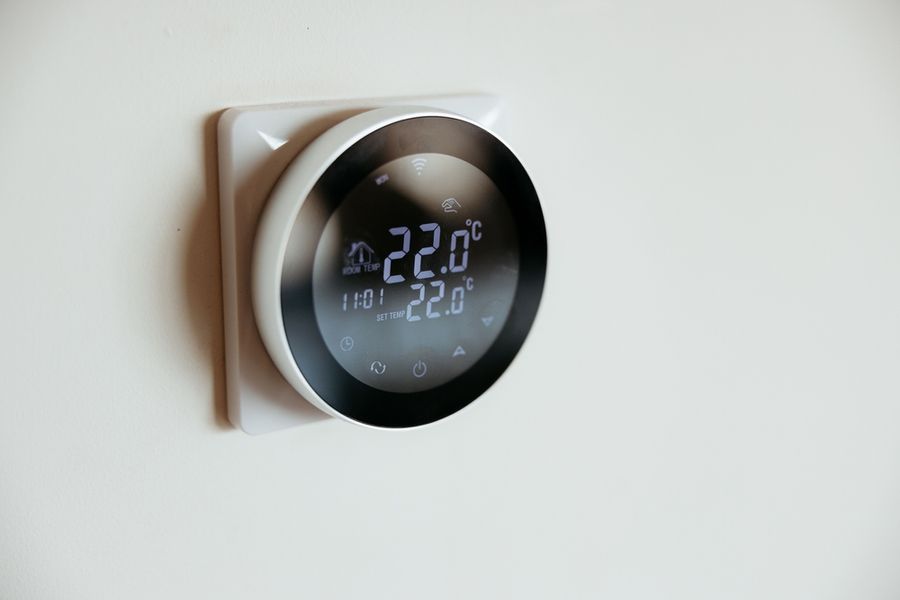
Heating and cooling account for a large share of energy use in many U.S. homes. Much of that energy is wasted when systems run at full power while no one is home or when settings are higher or lower than needed. Programmable smart thermostats help reduce waste by adjusting temperatures automatically. By learning routines and responding to real-time needs, smart devices make homes more comfortable while using energy more efficiently.
What a Programmable Smart Thermostat Does
A programmable smart thermostat replaces a traditional manual thermostat. Instead of setting the temperature once and forgetting it, smart thermostats allow schedules and automatic adjustments. They can raise or lower temperatures based on time of day, occupancy, or user preferences.
Many smart thermostats connect to Wi-Fi and can be controlled through a phone app. This allows users to check or change settings even when away from home. The main goal is simple: reduce heating and cooling when it is not needed and restore comfort when people return.
By automating these changes, smart thermostats remove the need for constant manual control.
How Scheduling Reduces Daily Energy Waste
One of the biggest sources of energy waste is heating or cooling an empty home. Programmable schedules help solve this problem. A smart thermostat can lower heating or reduce cooling during work hours and adjust temperatures before people return.
For example, instead of running air conditioning all day, the system can stay relaxed during the afternoon and cool the home shortly before evening. This keeps comfort high without running the system longer than needed.
Over time, these small daily adjustments add up. Even modest changes made consistently help reduce unnecessary system use.
Learning Features and Automatic Adjustments
Many smart thermostats go beyond simple schedules. Models like Google Nest Learning Thermostat and ecobee Smart Thermostat use sensors and patterns to learn routines. They notice when people are home, asleep, or away.
As patterns develop, the thermostat can adjust automatically without manual input. If routines change, the system adapts. This learning feature helps prevent waste caused by forgotten settings.
Some thermostats also use motion sensors to detect empty rooms. When no movement is detected for a period of time, the system shifts into an energy-saving mode. This helps avoid heating or cooling unused spaces.
Real Smart Thermostats Used in U.S. Homes
Several smart thermostat brands are commonly used in the United States. The Google Nest Learning Thermostat is known for its ability to learn habits and adjust automatically. It focuses on simplicity, often requiring less manual scheduling once set up.
The ecobee Smart Thermostat uses room sensors to manage temperature based on where people actually spend time. This helps reduce waste in rooms that are rarely used. The app allows easy control and clear feedback.
Honeywell Home smart thermostats are also widely used. They offer strong scheduling tools and reliable control without complex features. These options appeal to homeowners who want structure without too much automation.
Each of these thermostats supports energy-saving routines through scheduling and smart adjustments.
Remote Control and Better Awareness
Another way smart thermostats cut waste is through awareness. Being able to see and control settings remotely helps users stay mindful of energy use.
If someone forgets to adjust the thermostat before leaving home, the app allows quick changes from anywhere. This prevents systems from running unnecessarily for hours.
Many apps also show simple reports or summaries. These overviews help users understand how often systems run and when adjustments occur. Seeing this information can encourage better habits over time.
Awareness alone often leads to more thoughtful energy use.
Smart Thermostats and Seasonal Efficiency
Seasonal changes often lead to energy waste when settings are not adjusted. Smart thermostats help manage these transitions smoothly.
During spring and fall, when temperatures vary, smart thermostats can balance comfort without overworking systems. They may delay heating or cooling until truly needed.
In winter and summer, schedules and learning features prevent systems from running at full strength around the clock. Gradual adjustments reduce strain while maintaining comfort.
By adapting to both daily routines and seasonal patterns, smart thermostats reduce waste throughout the year.
Common Mistakes That Reduce Effectiveness
Smart thermostats work best when set up properly. One common mistake is overriding schedules too often. Constant manual changes can prevent learning features from working as intended.
Another issue is poor placement. Thermostats placed near windows, vents, or direct sunlight may read temperatures incorrectly. This can cause systems to run more than needed.
Skipping updates or ignoring app alerts can also reduce benefits. Taking a few minutes to review settings helps keep the system working efficiently.
Supporting Energy Savings Beyond the Thermostat
Smart thermostats are most effective when paired with other good habits. Sealing drafts, using curtains, and maintaining HVAC systems all support better results.
Using ceiling fans, adjusting clothing, and closing unused rooms means the thermostat does not have to work as hard. The thermostat becomes part of a broader energy-aware home.
The goal is not perfection, but steady improvement through small choices.
Small Changes That Add Up Over Time
Programmable smart thermostats help cut energy waste by adjusting heating and cooling to match real life. Through scheduling, learning routines, and remote control, they reduce unnecessary system use while maintaining comfort.
Devices like Nest, ecobee, and Honeywell Home show how automation can support better habits. When used thoughtfully, smart thermostats turn small daily adjustments into lasting energy savings for everyday homes.