

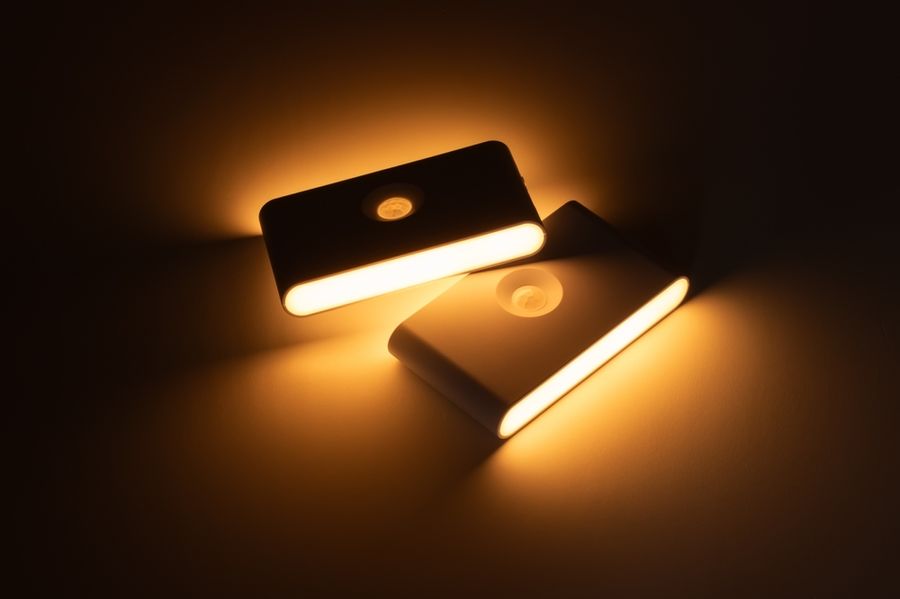
Good lighting plays a major role in how safe and comfortable a home feels. Dark hallways, entryways, and outdoor paths can increase the risk of trips, falls, or unwanted activity. Motion-activated LED fixtures help solve such problems by turning on light exactly when it is needed. Understand how LED fixtures work, where they are most useful, and how they improve safety and visibility in everyday homes across the United States.
What Motion-Activated LED Fixtures Are
Motion-activated LED fixtures are lights that turn on automatically when movement is detected. They use sensors to notice changes in motion or heat and respond by lighting up the area. After a set period with no movement, the light turns off again.
LED technology makes these fixtures energy-efficient and long-lasting. LEDs provide bright light while using less power than older bulb types. Because the light only turns on when needed, energy waste is reduced even further.
These fixtures are used both indoors and outdoors. They are common near doors, garages, stairways, and walkways.
How Motion Lighting Improves Home Safety
One of the main benefits of motion-activated lighting is improved safety. Sudden darkness can make it hard to see obstacles, especially at night. Lights that turn on automatically help prevent trips and falls.
In outdoor areas, motion lighting can help people feel safer when arriving home after dark. Entryways, driveways, and side yards are easier to navigate when lights turn on as soon as movement is detected.
Motion-activated lights can also discourage unwanted activity. Sudden lighting can draw attention to movement around the home. While lighting alone is not a security system, it adds an extra layer of awareness.
Indoor Areas That Benefit From Motion Lighting
Inside the home, motion-activated LED fixtures are useful in places where hands are often full or where lights are frequently forgotten. Hallways are a common example. Lights turn on automatically when someone walks through and turn off after they leave.
Staircases also benefit from motion lighting. Clear visibility on steps reduces the risk of missteps, especially at night. Bathrooms are another popular area, particularly for nighttime use when bright overhead lights may feel harsh.
Closets, laundry rooms, and pantries are also good locations. Motion lighting makes it easier to see without reaching for switches.
Outdoor Uses for Motion-Activated LED Fixtures
Outdoor motion lighting improves both safety and convenience. Porch lights that activate when someone approaches help guests find the door and reduce fumbling with keys.
Driveways and walkways benefit from better visibility at night. Motion lights guide movement and help avoid uneven surfaces or obstacles.
Backyards and side yards often lack consistent lighting. Motion-activated fixtures provide light only when needed, making these spaces more usable without leaving lights on all night.
Top Motion-Activated LED Fixtures Used in U.S. Homes
Several brands offer motion-activated LED fixtures that are widely used in the United States. Mr Beams produces battery-powered motion lights often used indoors and outdoors. These are popular for areas without wiring, such as closets or sheds.
Ring offers motion-activated lighting designed to work with outdoor security systems. Their LED fixtures are commonly installed near doors and garages and can connect with other smart devices.
Lithonia Lighting provides wired motion-activated LED fixtures often used for outdoor floodlighting. These are typically installed on exterior walls to cover larger areas like driveways or yards.
Each option offers different features, but all focus on automatic lighting triggered by movement.
Smart Features and Adjustability
Many modern motion-activated LED fixtures include adjustable settings. These may allow users to control sensitivity, brightness, and how long the light stays on after motion stops.
Some fixtures connect to smartphone apps. This allows remote control and scheduling. Smart features can help fine-tune lighting behavior to fit daily routines.
Adjustability is important because every space is different. Being able to change settings helps avoid lights turning on too often or not often enough.
Installation and Placement Tips
Proper placement improves performance. Motion sensors should face areas where movement is expected, such as paths or doorways. Avoid aiming sensors at busy streets or moving trees, which can cause false triggers.
Indoor fixtures should be placed where movement naturally occurs. Outdoor fixtures should be high enough to cover a wide area but not so high that motion detection becomes weak.
Some fixtures require wiring, while others run on batteries. Choosing the right type depends on location and access to power.
Maintenance and Long-Term Use
LED fixtures require little maintenance. Bulbs last a long time and usually do not need frequent replacement. Keeping sensors clean helps maintain accurate motion detection.
Battery-powered models need periodic battery changes. Many include indicators to show when batteries are low.
Checking settings occasionally ensures lights still behave as expected. Seasonal changes may affect sensitivity, especially outdoors.
Simple Lighting That Makes a Noticeable Difference
Motion-activated LED fixtures improve safety and visibility by providing light exactly when it is needed. Whether used indoors or outdoors, they reduce dark areas and support easier movement around the home.
With options from brands like Mr Beams, Ring, and Lithonia Lighting, homeowners can find fixtures that fit their needs. When placed thoughtfully, motion-activated LED lights offer a simple upgrade that makes everyday living safer and more convenient.