

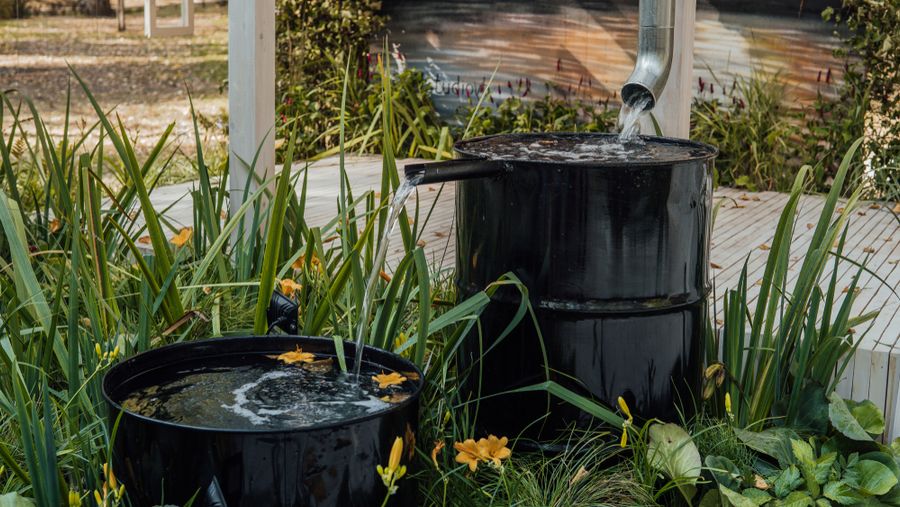
Outdoor watering can use a large amount of household water, especially during warmer months. Lawns, gardens, and plants often need regular moisture, even when rainfall is limited. Rain barrel collection systems offer a simple way to capture and reuse rainwater that would otherwise be lost. By storing water from rooftops, these systems help reduce outdoor water use while supporting healthier plants and more efficient gardening habits.
What a Rain Barrel Collection System Is
A rain barrel collection system captures rainwater from a roof and stores it for later use. Water flows from gutters into a barrel placed below a downspout. The stored water can then be used for watering gardens, lawns, or outdoor plants.
Most rain barrels include a lid, an inlet for the downspout, and a spigot near the bottom for easy access. Some systems also include overflow outlets that direct excess water away from the home during heavy rain.
Rain barrels are designed for outdoor use and work best when paired with existing gutter systems. They are passive systems that collect water naturally without pumps or electricity.
How Rain Barrels Reduce Outdoor Water Use
Rain barrels reduce outdoor water use by replacing treated tap water with collected rainwater. Water used for lawns and gardens does not need to be drinking quality, making rainwater a practical alternative.
During rainy periods, a single storm can fill a barrel quickly. This stored water can then be used on dry days, reducing the need to turn on hoses or irrigation systems.
Over time, using rainwater for outdoor tasks lowers demand on household water supplies. This can be especially helpful during dry seasons or in areas with watering restrictions.
Benefits for Plants and Soil
Rainwater is naturally suited for plants. It does not contain added chemicals often found in treated water. Many gardeners find that plants respond well to rainwater because it is closer to natural conditions.
Using rainwater also helps maintain healthy soil. Gentle watering from a rain barrel reduces runoff and allows water to soak in more evenly. This supports root growth and reduces soil erosion.
Because rain barrels encourage mindful watering, they can also prevent overwatering. Using stored water makes gardeners more aware of how much water plants truly need.
Types of Rain Barrel Collection Systems
Rain barrel systems come in several styles. Basic barrels connect directly to a downspout and store water for manual use. These are often used for small gardens or flower beds.
Some systems allow multiple barrels to be linked together. This increases storage capacity and extends watering supply during dry periods. Linked systems work well for larger yards.
Decorative rain barrels are also available. These are designed to blend into outdoor spaces while providing the same water collection benefits.
The right system depends on available space, roof size, and watering needs.
Installation and Placement Tips
Installing a rain barrel is usually straightforward. The barrel should be placed on a stable, level surface near a downspout. Elevating the barrel slightly improves water flow from the spigot.
A downspout diverter or cut section directs rainwater into the barrel. Overflow outlets should be positioned to guide excess water away from the foundation.
Choosing a location that receives regular runoff improves collection. It is also helpful to place the barrel close to the area being watered to reduce carrying or hose length.
Secure lids are important to keep debris out and maintain water quality.
Maintenance and Seasonal Care
Rain barrels require minimal maintenance. Cleaning gutters and downspouts helps keep collected water clear. Leaves and debris can block flow if not removed.
Checking the barrel periodically ensures the spigot and overflow are working properly. Screens should be cleared to prevent clogging.
In colder regions, rain barrels should be drained before freezing temperatures. Disconnecting and storing them protects the barrel and fittings. Reinstalling in spring restores collection for the next season.
Simple care helps the system last for years.
Understanding Limits and Proper Use
Rain barrel systems are designed for outdoor watering only. Collected rainwater is not intended for drinking or indoor use.
Water pressure from rain barrels is lower than from hoses connected to faucets. This works well for slow watering but may not support sprinklers without additional equipment.
Rainfall patterns affect collection. During dry periods, barrels may empty quickly. Using rain barrels alongside other water-saving methods helps maintain balance.
Understanding these limits helps set realistic expectations.
Supporting Water Conservation Beyond Rain Barrels
Rain barrels work best as part of a larger water-saving approach. Mulching garden beds helps soil retain moisture. Choosing native or drought-tolerant plants reduces watering needs.
Watering early in the morning limits evaporation. Grouping plants with similar water needs improves efficiency.
Small changes combined with rainwater collection can significantly reduce outdoor water use over time.
Turning Rain Into a Valuable Resource
Rain barrel collection systems offer a simple and effective way to reduce outdoor water usage. By capturing rainwater from rooftops, homeowners can support gardens and lawns while relying less on treated water.
These systems are easy to use, require little maintenance, and encourage smarter watering habits. With consistent use and thoughtful setup, rain barrels turn rainfall into a practical resource that supports both plants and long-term water conservation.