

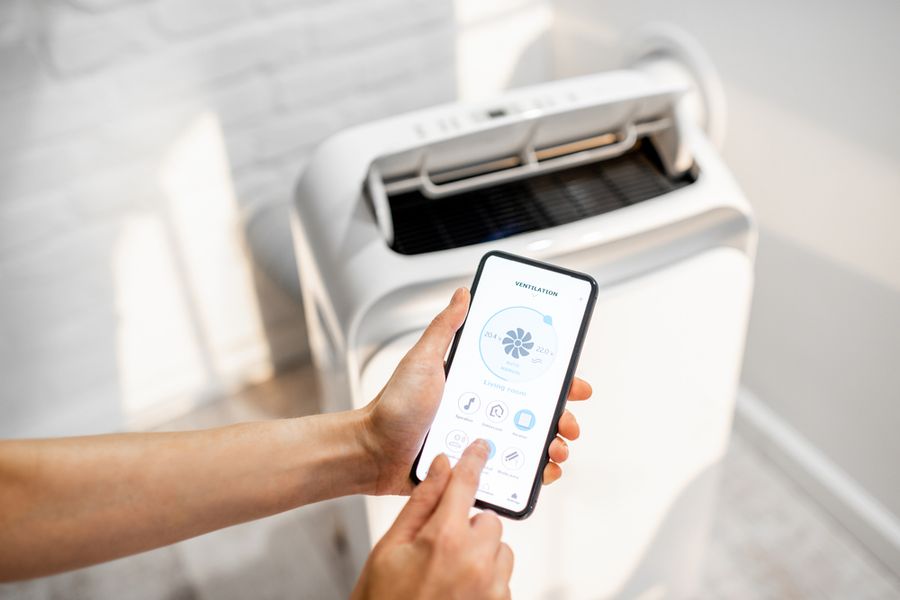
Basements often feel damp, musty, and uncomfortable, especially in humid regions of the United States. Excess moisture can make the space unpleasant to use and harder to maintain. Smart dehumidifiers offer a practical way to manage basement humidity with less guesswork. By monitoring moisture levels and adjusting automatically, modern devices help create a drier, more comfortable environment. Understand how smart dehumidifiers work and how they can improve everyday basement spaces.
Why Basements Get Damp So Easily
Basements sit below ground level, which makes them more exposed to moisture from soil and groundwater. Cool surfaces also cause humid air to condense, adding to the problem. Poor airflow and limited sunlight can trap this moisture inside.
Everyday activities can increase humidity as well. Laundry machines, storage of damp items, and seasonal weather changes all affect moisture levels. Over time, this dampness can make basements feel cold, sticky, or stale.
Managing humidity is key to making basements usable. Dehumidifiers help remove excess moisture before it builds up.
What Makes a Dehumidifier “Smart”
A smart dehumidifier includes sensors and connectivity features that go beyond basic models. These units measure humidity levels and adjust operation automatically to maintain a set range.
Many smart dehumidifiers connect to Wi-Fi and can be controlled through a phone app. This allows users to check humidity levels, change settings, or turn the unit on and off remotely.
Some models also send alerts when the water bucket is full or when maintenance is needed. These features reduce the need for constant checking and make moisture control more hands-off.
How Smart Features Improve Basement Comfort
Traditional dehumidifiers often run continuously, even when humidity is already low. This can waste energy and over-dry the air. Smart dehumidifiers respond to real conditions instead.
When humidity rises, the unit activates. When levels drop, it slows down or stops. This keeps the basement within a comfortable range without manual adjustment.
Remote access is especially helpful in basements that are not visited often. Being able to check conditions without going downstairs makes it easier to stay consistent.
Over time, steady moisture control can make basements feel warmer, fresher, and easier to use.
Top Smart Dehumidifiers Used in U.S. Homes
Several smart dehumidifier brands are commonly used in the United States. Frigidaire offers smart dehumidifier models with app control and automatic humidity sensing. These units are often chosen for their reliability and simple interfaces.
GE also produces smart dehumidifiers designed for larger spaces like basements. Their models typically include built-in pumps and app notifications, which help manage moisture without frequent emptying.
hOmeLabs smart dehumidifiers are another popular option. They focus on clear controls and steady performance, making them suitable for finished or unfinished basements.
Each of these brands provides options designed to monitor and manage moisture more effectively than basic units.
Placement and Setup for Best Results
Where a dehumidifier is placed matters. For basements, positioning the unit in the most damp or central area helps it work more evenly. Avoid placing it directly against walls or furniture, as airflow is important.
Setting a target humidity level helps guide the system. Many people aim for a range that feels comfortable without making the air too dry. Smart dehumidifiers maintain this level automatically once set.
Connecting the unit to a drain or using a built-in pump can reduce maintenance. This allows the unit to run longer without stopping to empty the bucket.
Proper setup ensures the smart features work as intended.
Reducing Musty Smells and Moisture Damage
Damp air often leads to musty odors. These smells come from moisture trapped in materials like carpets, boxes, and walls. By reducing humidity, dehumidifiers help limit these odors.
Lower moisture levels also protect stored items. Paper, fabrics, and electronics are less likely to feel damp or develop issues when humidity is controlled.
While a dehumidifier does not remove existing damage, it helps prevent further problems. Consistent use supports a healthier basement environment.
Maintenance and Ongoing Use
Smart dehumidifiers still need basic care. Filters should be cleaned or replaced as recommended. This keeps airflow steady and performance strong.
Emptying the water bucket or checking drainage systems ensures the unit can run without interruption. App alerts often make this easier by notifying users when action is needed.
Regular checks, even if brief, help catch small issues early. With proper care, smart dehumidifiers can run reliably for long periods.
Supporting a Dry Basement Beyond the Dehumidifier
A smart dehumidifier works best as part of a larger approach. Sealing cracks, improving drainage outside the home, and using fans can all help reduce moisture.
Keeping basement doors open when possible improves airflow. Avoiding storage of damp items also limits humidity buildup.
These small steps support the dehumidifier and improve overall results.
Making Basements More Comfortable With Smart Control
Smart dehumidifiers offer a practical way to manage damp, uncomfortable basements. By monitoring humidity and adjusting automatically, they reduce moisture with less effort.
Models from brands like Frigidaire, GE, and hOmeLabs show how smart features can simplify daily moisture control. When used consistently and paired with good habits, smart dehumidifiers help turn basements into drier, more comfortable spaces that are easier to use year-round.