

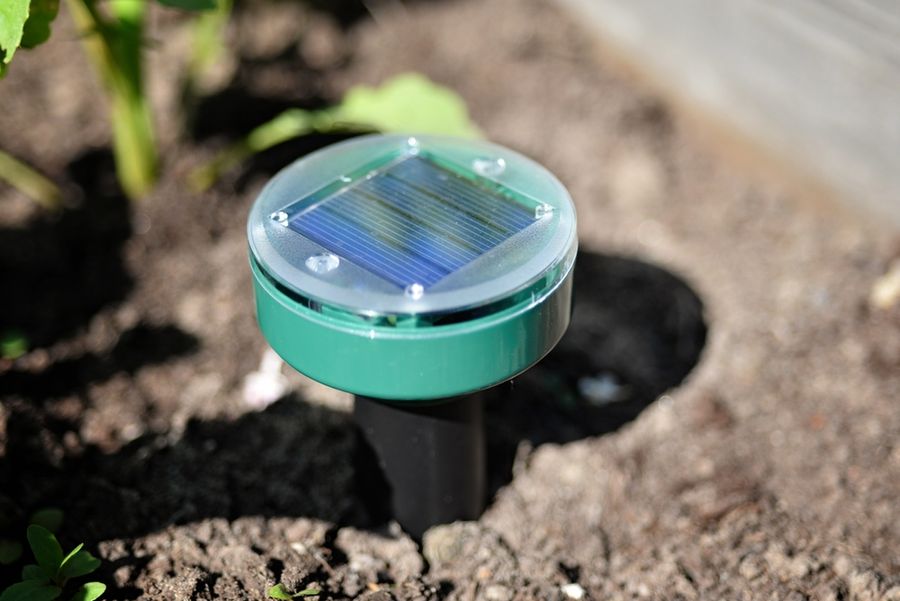
Garden pests can damage plants, dig up soil, and make outdoor spaces less enjoyable. Many homeowners want a solution that works without sprays or harsh chemicals. Solar-powered garden repellers offer a hands-off option that can help. Top devices use energy from the sun to operate automatically, helping deter common pests while keeping gardens safe for people, pets, and plants. Understand how they work, where they are useful, and what to expect from regular use.
What Solar-Powered Garden Repellers Are
Solar-powered garden repellers are small outdoor devices designed to discourage pests such as moles, gophers, voles, and sometimes squirrels. They are usually placed directly into the ground and powered by a built-in solar panel.
During the day, the panel charges an internal battery. Once powered, the device emits vibrations or sounds through the soil at set intervals. These signals are meant to disrupt pests that rely on ground movement and sound to navigate.
Because they run on solar energy, these repellers do not need wiring or batteries replaced often. Once installed, they work automatically with minimal attention.
How These Repellers Deter Pests Without Chemicals
Unlike traps or poisons, solar-powered repellers do not aim to harm animals. Instead, they create an environment that pests prefer to avoid. Underground pests are sensitive to vibrations and sound waves that pass through soil.
When the repeller sends out pulses, the ground becomes uncomfortable for these animals. Over time, pests may move away in search of quieter areas. This approach supports pest control without introducing chemicals into the garden.
Because there are no sprays or residues, gardens remain safe for children, pets, and beneficial insects. This makes solar repellers appealing to people who want a natural outdoor space.
Common Pests These Devices Are Used Against
Solar-powered garden repellers are most often used for burrowing animals. Moles and gophers are common targets because they can damage lawns and plant roots.
Voles and ground squirrels may also be affected, depending on the device and soil conditions. Some repellers claim to help with snakes or other animals, but results can vary.
These devices are not designed for flying insects or surface pests. They work best for animals that live or move underground. Understanding this helps set realistic expectations.
Placement and Setup for Best Results
Proper placement is key to getting good results. Repellers should be installed in areas where pest activity is most noticeable, such as near tunnels, mounds, or damaged plants.
Most devices recommend spacing them a certain distance apart to cover a larger area. Installing more than one repeller helps create overlapping zones that make the space less appealing to pests.
The device should be placed in soil that allows vibrations to travel. Very loose or rocky soil may reduce effectiveness. Firmly pressing the repeller into the ground improves contact and performance.
It may take time for pests to move away. Results are often gradual rather than immediate.
Real Solar-Powered Garden Repellers Used in U.S. Gardens
Several solar-powered garden repellers are commonly used in the United States. The PestBye Solar Mole Repeller is often chosen for lawns and garden beds due to its simple design and solar operation.
Victor Solar Powered Sonic Spike is another well-known option. It is designed for easy installation and targets underground pests through sound and vibration.
Aspectek and NIKAND brands also offer solar-powered repellers used in residential gardens. These products share similar designs and rely on solar charging and automatic operation.
While designs vary, the basic function remains the same across most models.
Maintenance and Ongoing Use
Solar-powered repellers require little maintenance. Keeping the solar panel clean helps ensure proper charging. Dirt, leaves, or snow can block sunlight and reduce performance.
Occasional checks help confirm the device is still active. Some models include lights or indicators that show when the unit is working.
After heavy rain or soil shifts, it may be helpful to check placement. Ensuring the repeller remains upright and firmly in the ground supports consistent output.
With basic care, these devices can run for long periods with little effort.
Limits and Realistic Expectations
Solar-powered garden repellers are not instant fixes. Pests may take days or weeks to move away, depending on conditions. Some animals may be more stubborn than others.
Effectiveness can vary based on soil type, pest behavior, and placement. In some cases, repellers work best when combined with other non-chemical steps, such as removing food sources or sealing entry points.
These devices are tools, not guarantees. Understanding their role helps avoid frustration and supports better outcomes.
Supporting a Pest-Resistant Garden Environment
Solar repellers work best as part of a larger garden approach. Keeping lawns trimmed, reducing excess water, and maintaining healthy soil all help discourage pests.
Avoiding clutter and removing fallen fruit or plant debris can reduce attraction. These small habits support the repeller’s work.
A balanced garden with good care is less inviting to unwanted animals over time.
A Simple, Chemical-Free Way to Protect Your Garden
Solar-powered garden repellers offer a chemical-free option for managing underground pests. By using sound and vibration powered by sunlight, they help create a garden environment pests prefer to avoid.
While results vary and patience is needed, these devices provide a low-effort, low-impact solution. For homeowners seeking a safer way to protect lawns and garden spaces, solar-powered repellers can be a useful addition to a natural pest control strategy.