

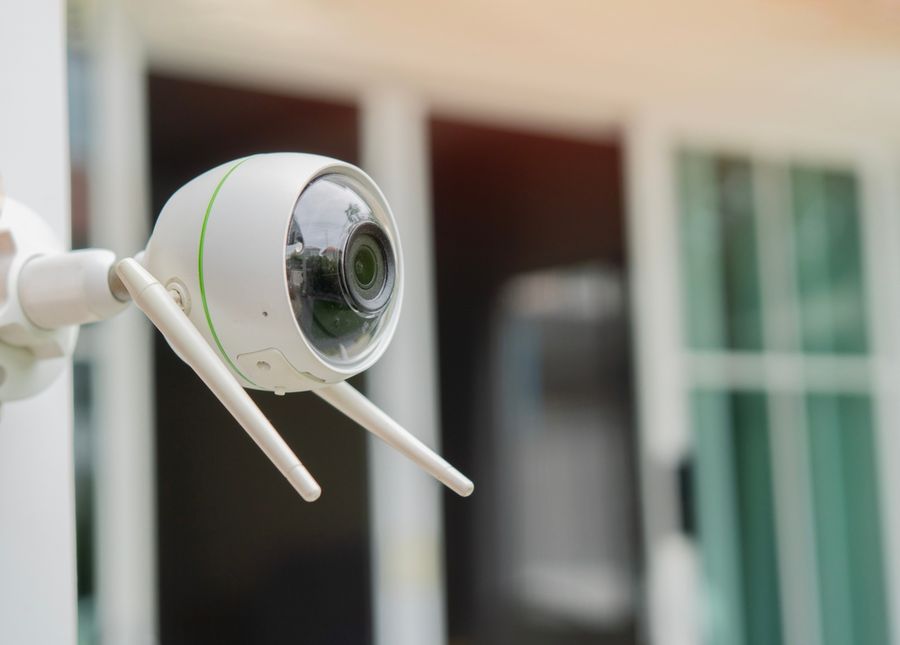
Home security no longer requires complex wiring or professional installation. Wireless outdoor camera systems make it easier for homeowners to monitor their property with minimal setup and ongoing effort. Top systems are designed to grow with changing needs, allowing cameras to be added or adjusted over time. As more people look for flexible ways to protect their homes, wireless outdoor cameras are becoming a practical and widely used solution across the United States.
What Wireless Outdoor Camera Systems Are
Wireless outdoor camera systems use cameras that connect to a home’s Wi-Fi network instead of relying on hardwired connections. Most models are powered by rechargeable batteries, though some also support solar panels or wired power as optional add-ons. Video footage is sent to a mobile app where users can view live feeds or recorded clips.
These systems are designed to work outdoors and are built to handle rain, wind, and temperature changes. Because they do not require drilling or complex wiring, they are easier to install and reposition. This flexibility makes them suitable for homeowners, renters, and anyone who wants a less permanent setup.
Why Wireless Systems Make Home Security Easier
One of the main benefits of wireless camera systems is simplicity. Installation often takes less than an hour and usually involves mounting the camera and connecting it through an app. There is no need to run cables through walls or hire professionals.
Wireless systems also reduce commitment. Cameras can be moved if layouts change or if coverage needs shift. This is helpful for people who want to adjust security as family needs evolve or as outdoor spaces are remodeled. The ease of use encourages consistent monitoring without feeling overwhelming.
Scalability for Growing Security Needs
Wireless outdoor camera systems are designed to scale. Homeowners can start with one camera at the front door or driveway and add more over time. Additional cameras often connect through the same app, creating a single system view.
This scalability supports gradual investment. Instead of planning a full system upfront, users can expand as needed. Larger properties may add cameras for side yards, backyards, or detached garages. Smaller homes may only need a few well-placed units.
Because systems are modular, scaling does not require replacing existing equipment. This makes wireless systems flexible and future-friendly.
Top Wireless Outdoor Camera Systems Used in U.S. Homes
Several wireless outdoor camera systems are widely used across the United States. Ring offers battery-powered outdoor cameras that integrate with doorbells and other Ring devices. Many homeowners choose Ring for its simple app and wide product range.
Arlo is another popular option, known for its fully wireless outdoor cameras and strong image quality. Arlo systems are often chosen by users who want flexible placement and expandable coverage. Google Nest Cam Outdoor models are also used in many homes, especially by people already using Google smart home products.
Blink Outdoor cameras are commonly chosen for their compact design and long battery life. These brands reflect how wireless systems have become mainstream options rather than specialty products.
Key Features That Support Everyday Monitoring
Wireless outdoor cameras typically include motion detection, night vision, and live video streaming. Motion alerts notify users when activity is detected, allowing quick checks without constant monitoring.
Many systems allow users to customize alert zones to reduce false notifications from passing cars or trees. Two-way audio is also common, letting homeowners speak through the camera when needed.
Cloud storage or local storage options allow footage to be reviewed later. While features vary by brand, most systems focus on clarity, reliability, and ease of use rather than complex controls.
Placement and Coverage Tips
Proper placement helps wireless cameras work effectively. Cameras should be positioned to cover entry points, walkways, and open yard areas. Mounting them at a height that avoids easy reach improves coverage and reduces tampering.
Avoid aiming cameras directly into bright light or reflective surfaces, which can affect image quality. Testing camera views through the app before final mounting helps ensure useful angles.
Spacing cameras to avoid blind spots improves overall coverage. Wireless systems make it easy to adjust placement over time as needs change.
Maintenance and Ongoing Use
Wireless outdoor cameras require basic maintenance to stay reliable. Battery-powered models need periodic recharging, though many apps provide alerts when power runs low. Keeping lenses clean improves image clarity.
Software updates are typically handled through the app and help maintain performance and security. Reviewing settings occasionally ensures alerts remain useful and not excessive.
Because these systems are designed for everyday use, maintenance is usually minimal and manageable for most homeowners.
Privacy and Responsible Use
With outdoor cameras, responsible setup matters. Most systems allow users to limit recording areas and adjust motion sensitivity. This helps focus monitoring on personal property while reducing unnecessary recording.
Being mindful of camera angles helps respect neighbors and public spaces. Using built-in privacy controls supports balanced use without losing security benefits.
Clear setup and thoughtful placement help wireless cameras remain helpful rather than intrusive.
Flexible Security That Grows With Your Home
Wireless outdoor camera systems offer a simple and scalable approach to home security. With easy installation, flexible placement, and the ability to expand over time, they fit the needs of modern households.
Popular options from brands like Ring, Arlo, Google Nest, and Blink show how accessible these systems have become. When used thoughtfully, wireless outdoor cameras provide reliable awareness and peace of mind without adding complexity to daily life.