

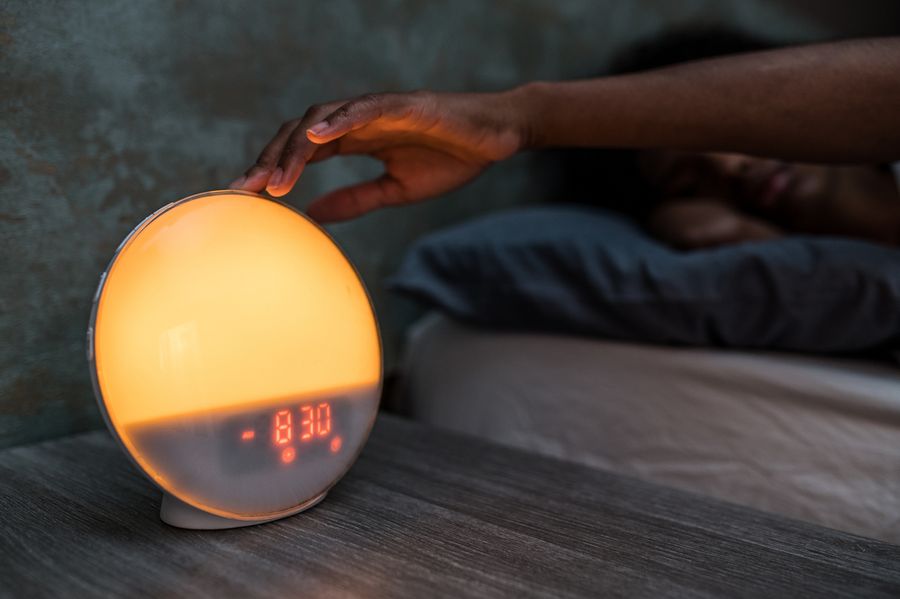
Waking up well can shape the rest of the day. A rushed or jarring start often leads to stress, while a calm routine helps people feel steady and focused. Two tools make it easier: a sunrise alarm clock and a habit tracker. Together, they support gentle waking and clear daily structure. Understand how to use both tools to build a simple, repeatable morning routine that feels realistic and sustainable.
Why Mornings Are Hard to Control
Many mornings fail before they begin because the wake-up process is unpleasant. Loud alarms, hitting snooze, and grabbing a phone right away can create stress and delay. This often leads to skipping breakfast, rushing through tasks, or starting work already tired. Over time, this pattern becomes normal and hard to break.
A good morning routine does not need to be strict or long. It needs to be predictable and supportive. Tools that reduce friction make it easier to stay consistent. A sunrise alarm clock helps the body wake more naturally, while a habit tracker provides a clear plan for what comes next. Together, they reduce decision-making early in the day.
How a Sunrise Alarm Clock Changes the Wake-Up Experience
A sunrise alarm clock works by slowly increasing light before the wake-up time. Instead of sudden noise, the room becomes brighter over several minutes. This gentle change helps signal that it is time to wake up. Many people find this approach feels calmer than a traditional alarm.
Using a sunrise alarm clock also reduces the urge to hit snooze. Since the body is already more alert, getting out of bed feels less forced. Some models include soft sounds, but the light is the main feature. Placing the clock across the room can help prevent staying in bed too long.
Consistency matters. Setting the alarm for the same time each weekday helps train the body. Over time, waking up becomes easier, and mornings feel less rushed.
Choosing Habits That Fit Your Real Morning
A habit tracker works best when the habits are realistic. Morning routines often fail because they include too many tasks. Instead of aiming for a long list, focus on three to five small actions that matter most.
Common morning habits include drinking water, stretching, reading a short page, or writing a simple to-do list. These actions should take only a few minutes each. The goal is not to fill the morning but to create momentum.
A habit tracker, whether on paper or an app, gives structure. Checking off a habit creates a sense of progress. It also removes the need to remember what comes next. Over time, the routine becomes familiar and easier to follow.
Linking the Alarm to the First Habit
The most effective routines connect waking up to the first habit right away. This reduces the chance of distraction. For example, placing a glass of water next to the bed can make hydration the first step after the alarm. Another option is keeping the habit tracker near the alarm clock.
This connection creates a clear flow: wake up, complete one habit, then move on. Once the first habit is done, continuing feels easier. The sunrise alarm clock sets the mood, while the habit tracker provides direction.
Avoid checking messages or social media during this time. These distractions can delay the routine and make it harder to stay consistent.
Using Habit Tracking to Build Consistency Over Time
Habit tracking is not about perfection. Missed days will happen. The value comes from awareness and repetition. Seeing patterns helps people understand what works and what does not.
Tracking also makes progress visible. Even simple checkmarks show effort. This can be motivating, especially during the first few weeks. Some people prefer digital trackers with reminders, while others like paper journals. The best option is the one that feels easiest to use daily.
Reviewing the tracker once a week helps refine the routine. Habits that feel forced can be adjusted or removed. New ones can be added slowly if mornings start to feel stable.
Adjusting the Routine for Different Schedules
Not all mornings look the same. Workdays, weekends, and travel can change wake-up times. A flexible routine adapts without breaking completely. The key habits should stay the same, even if the timing shifts.
For example, waking later on weekends does not mean skipping the routine. Using the sunrise alarm clock and completing a shorter version of the habits keeps the rhythm intact. This flexibility prevents the routine from feeling rigid or stressful.
Over time, the routine becomes less about the clock and more about the sequence of actions. That makes it easier to maintain long term.
Building a Routine That Feels Natural
A strong morning routine does not require discipline alone. It works best when the tools support natural behavior. A sunrise alarm clock helps the body wake calmly, while a habit tracker removes guesswork and builds structure.
Together, they create a gentle start that is easier to repeat. By keeping habits simple and flexible, mornings can become steady, predictable, and far less stressful.