

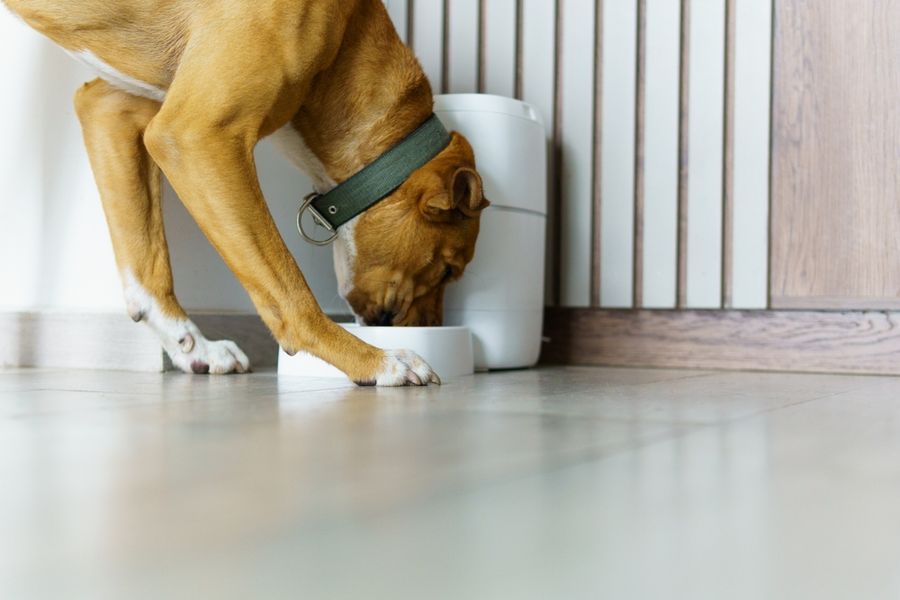
Feeding pets may seem simple, but portion size and timing matter more than many owners realize. Too much food can contribute to weight gain, while irregular meal times can lead to begging or digestive issues. Automatic portion-control feeders help solve such problems by delivering the right amount of food at the right time. With features that support consistency and control, automatic feeders make daily pet care easier and healthier for cats and dogs alike.
What an Automatic Portion-Control Feeder Is
Automatic portion-control feeders are devices that dispense a set amount of pet food at scheduled times. Unlike traditional bowls, where food sits and pets graze all day, these feeders release pre-measured portions to keep feeding consistent. Many models allow owners to set multiple meal times throughout the day, helping pets maintain a stable eating routine.
Some feeders connect to mobile apps or remotes, letting owners adjust schedules and portions from near or far. This technology adds flexibility for busy households and pets with specific dietary needs. Whether feeding dry kibble or other compatible food types, the goal is the same: give pets controlled meals without guesswork.
Promoting Healthy Weight Management
One of the top benefits of automatic portion-control feeders is helping pets maintain a healthy weight. Overeating is a common issue, especially when pets have unfettered access to food. Leftover kibble in an open bowl makes it easy for pets to snack all day, which can lead to excess weight gain.
With a portion-control feeder, food is only available at designated times and in measured amounts. This reduces the likelihood of overeating and supports weight management, which is especially important for pets prone to weight gain or those on vet-recommended diets. Consistent portions also help owners track food intake more accurately.
Supporting Regular Feeding Routines
Pets thrive on routine, and regular meal times help create stability in their day. Automatic portion-control feeders allow food to be delivered at the same times daily, even when owners are busy or away. Predictable feeding schedules reduce begging behavior and decrease anxiety related to inconsistent meal times.
For cats that may wake owners early for breakfast or dogs that wait at the door around dinner time, scheduled feeding brings structure. This consistency can also help with digestive comfort, as pets empty and refill their stomachs at regular intervals. Overall, a set feeding routine contributes to a calmer household.
Helping With Weight Loss Plans and Dietary Restrictions
For pets on weight loss plans or special diets, automatic feeders provide precise control over portions. Vets often recommend strict feeding measures for pets needing to lose weight or manage health conditions such as diabetes or pancreatitis. In these cases, controlling portion sizes and timing is vital.
Automatic feeders make it easier to follow these plans without human error. Rather than estimating portions by eye, the feeder releases exactly the amount set by the owner. This level of precision supports better results and fewer setbacks during weight-loss journeys or diet transitions.
Reducing Mealtime Stress for Pets and Owners
Feeding time can sometimes be stressful — for both pets and their people. Busy mornings, unpredictable schedules, and last-minute errands often make feeding feel rushed. Automatic portion-control feeders remove much of this stress by handling food distribution independently.
Pet owners no longer need to interrupt their routines to serve meals on time. Instead, the feeder delivers food at prearranged times, freeing owners to focus on work, family, or errands. For pets, this means less anxiety around mealtime expectations and a steady rhythm they can rely on.
Useful Features That Add Convenience
Modern automatic portion-control feeders often include helpful features beyond basic scheduling. Some have voice recording functions, letting owners call pets to eat with a familiar voice. Others show remaining food levels through apps or built-in windows, so owners know when refills are needed.
Certain models provide slow-feed options, breaking meals into smaller portions delivered over time to slow fast eaters. This can help reduce digestive issues like bloating or vomiting that sometimes occur when pets eat too quickly.
These added features make automatic feeders versatile tools for varied feeding needs.
Best Practices for Using Automatic Feeders
To get the most from an automatic portion-control feeder, it helps to introduce it gradually. Placing the feeder near a pet’s usual eating area and pairing it with positive experiences — like calm, relaxed attention — eases the transition from a regular bowl.
Checking and cleaning the feeder regularly supports hygiene and keeps food flowing smoothly. Storing dry food in cool, dry places prevents clumping that can interfere with dispensing.
Owners should also monitor their pet’s weight and adjust portion settings as needed. Small tweaks over time help ensure portions remain aligned with health goals.
When Automatic Feeders May Not Be Ideal
While automatic portion-control feeders offer many benefits, they are not a fit for every situation. Pets with very specific texture needs, such as raw or wet food diets, may require special attention. Some models work only with dry kibble, so owners with mixed diets may need supplemental feeding strategies.
Pets with dental issues or those who need supervised eating may also require more direct feeding support. Observing how a pet adapts to an automatic feeder and consulting with a vet ensures the setup supports health and comfort.
A Simple Tool for Better Feeding Habits
Automatic portion-control feeders help pet owners in the United States manage feeding routines with greater consistency, precision, and ease. By promoting healthy weight control, supporting regular meal times, and reducing stress around feeding, these devices can benefit both pets and their people.
With thoughtful use and the right features for individual needs, automatic feeders become a valuable part of daily pet care that encourages better habits and healthier lives.