

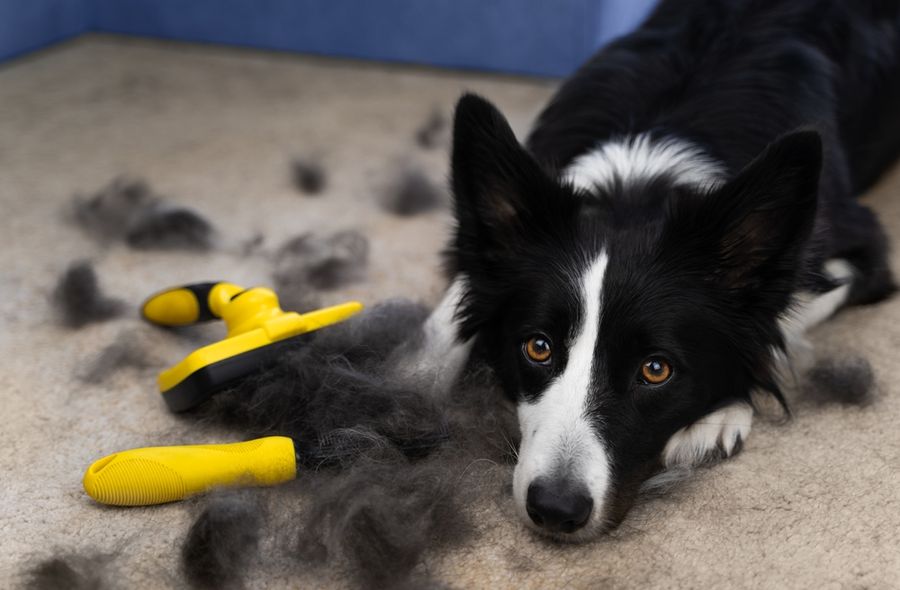
Pets bring joy, but shedding can fill homes with loose fur. Dog and cat hair on sofas, carpets, and clothes is a common frustration for pet owners. Regular grooming helps reduce the amount of fur shed around the house, and using a good deshedding brush makes a big difference. Top brushes remove loose undercoat fur at the source, keeping pets comfortable and furniture cleaner. It's key to understand which deshedding brushes deliver noticeable results.
What Deshedding Brushes Do and Why They Work
Deshedding brushes are grooming tools specifically designed to reach beneath a pet’s topcoat and pull out loose hairs from the undercoat before they fall around the home. Traditional brushes often only skim the surface, leaving loose fur behind. Deshedding tools use finely spaced blades or teeth that reach deeper, gently gathering hair that would otherwise end up on furniture or clothing. With regular use, these brushes greatly reduce the volume of fur in the environment, making cleanup easier.
Using a deshedding brush also benefits pets. Removing excess dead hair can improve air circulation through the coat and reduce matting. Most pets enjoy the sensation when the brush is used gently, turning grooming into a bonding activity rather than a chore.
Furminator: A Well-Known Deshedding Option
The Furminator is one of the most widely recognized deshedding tools used by dog and cat owners. It features a stainless steel edge put at just the right angle to remove loose fur without cutting the topcoat. Models are available specifically for dogs or cats and come tailored to coat length and size.
Many users appreciate the Furminator for its deep reach into the undercoat and its build quality. The ergonomic handle helps reduce strain during grooming sessions, and the edge design makes it easier to collect fur in fewer passes. Because it removes hair at the source, regular use can lead to noticeably less fur on couches and floors over time.
Hertzko Self-Cleaning Slicker Brush: Gentle Yet Effective
The Hertzko Self-Cleaning Slicker Brush is another popular option for pet owners looking to control shedding. Unlike traditional slicker brushes, this model includes a button that retracts the pins, allowing fur to be removed easily from the brush after grooming. This feature simplifies cleanup and makes the tool easier to use regularly.
While slicker brushes are not as deep-reaching as specialized deshedders, the Hertzko design is effective for pets with medium to long coats. The fine pins help remove loose fur, detangle small knots, and smooth the coat surface. Many owners use this brush in combination with a deeper deshedding tool to manage both surface and undercoat hair.
Safari Undercoat Rake: Good for Thick and Double Coats
For pets with thick or double coats, such as Huskies, Golden Retrievers, Maine Coon cats, or similar breeds, an undercoat rake is a solid choice. The Safari Undercoat Rake features sturdy, widely spaced metal teeth that penetrate deep into dense coats. These teeth are designed to remove loose hairs without pulling or tugging the topcoat.
Undercoat rakes are slightly different from typical deshedding tools but are highly effective for the pets that shed heavily. They work well on long and thick fur because they help lift and collect hair that would otherwise become loose and shed around the home. Many owners report a significant reduction in loose fur when using this type of tool once or twice a week.
Wahl Comb and Groom Brush: A Balanced Approach
The Wahl Comb and Groom Brush combines two grooming functions in one tool. One side acts as a comb that penetrates deeper fur layers, while the other side works like a bristle brush to help smooth the coat. This dual-action tool is especially helpful for pets with mixed coat types or for households with multiple pets that vary in fur texture.
The comb edge helps pull loose fur out of the undercoat, while the bristle side finishes by redistributing natural oils and giving the coat a softer look. This combination makes it a practical choice for routine grooming and for pets that have lighter shedding tendencies.
How to Use Deshedding Brushes Effectively
Getting the most out of a deshedding brush starts with the right technique. Begin by gently brushing in the direction of hair growth. For pets with curly or long hair, lightly tease apart larger sections first to make it easier for the tool to reach the undercoat. Always keep strokes gentle to avoid irritating the skin.
Consistency matters. A quick session two to three times per week can prevent loose hair buildup more effectively than sporadic longer sessions. After grooming, collecting the hair and disposing of it before it settles into furniture makes a noticeable difference in home cleanliness.
Caring for Your Grooming Tools
Keeping grooming tools clean helps them work better and last longer. After each session, remove collected fur from the brush according to the tool’s design. Some tools, like the Hertzko, have a self-cleaning feature built in, while deshedding edges may require brushing off with a small comb.
Occasionally washing brushes with mild soap and water and letting them dry fully prevents oils and debris from building up. Storing brushes in a dry place also helps maintain their condition over time.
Tools That Make a Visible Difference
Deshedding brushes are a reliable step toward reducing loose fur on furniture and around the home. Tools like the Furminator, Hertzko Self-Cleaning Slicker Brush, Safari Undercoat Rake, and Wahl Comb and Groom Brush each offer benefits for different coat types and grooming needs.
When used regularly and correctly, these brushes help keep your pet comfortable and your home cleaner. Combining effective tools with simple grooming routines and household habits leads to a noticeable reduction in shedding and a more comfortable living space.