

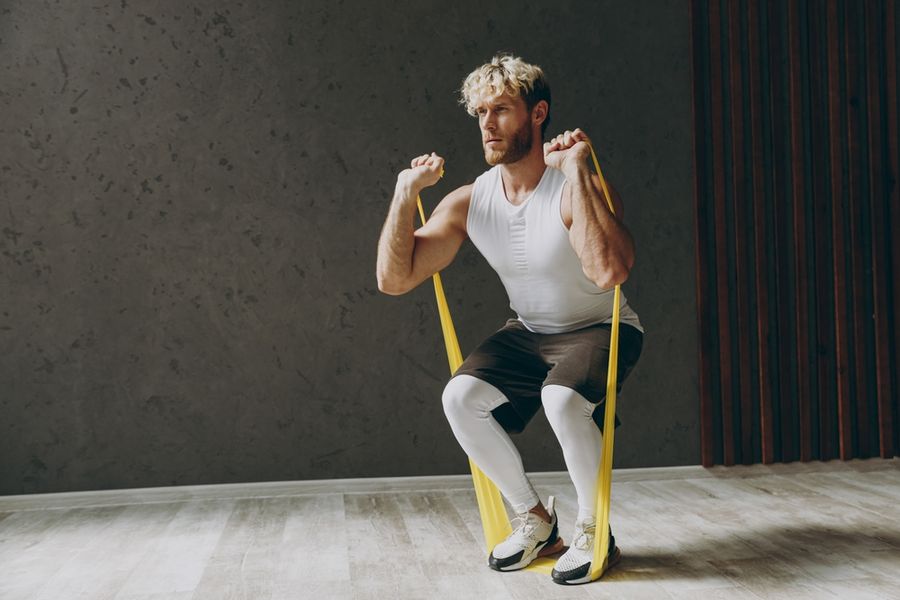
Stretching at home is one of the easiest ways to support movement, comfort, and daily mobility. Resistance bands add gentle tension that can make stretching more effective without needing large equipment. They are lightweight, easy to store, and simple to use in small spaces. Understand how resistance bands support stretching and outlines practical home routines that help loosen tight muscles, improve range of motion, and support consistent movement habits.
Why Resistance Bands Work Well for Stretching
Resistance bands create controlled tension during movement. Unlike static stretching, where a position is held without effort, band-assisted stretching allows muscles to engage while lengthening. This can make stretches feel more supported and easier to control.
Bands also help guide movement. The resistance provides feedback, which can improve awareness of how a muscle feels as it stretches. This is helpful for people who struggle to feel traditional stretches.
Another benefit is flexibility. Resistance bands come in different tension levels, making it easier to adjust intensity. Light resistance works well for stretching, especially for beginners or people returning to movement after time off.
Upper Body Stretching With Resistance Bands
Upper body tension often builds in the shoulders, chest, and upper back. This is common for people who sit at desks or use computers for long periods. Resistance bands can help open these areas safely.
A common stretch is the shoulder opener. Holding the band with both hands, arms extended, slowly raise it overhead and behind the body, then return to the front. This movement helps loosen the shoulders and chest.
Another useful stretch targets the upper back. Holding the band in front of the chest, pull the ends apart while keeping arms straight. This stretch opens the back and supports posture. Slow, controlled movement is key.
These stretches can be done standing or seated and work well as a short break during the day.
Lower Body Stretching for Hips and Legs
Tight hips and legs can affect walking, sitting, and overall comfort. Resistance bands help stretch these areas without forcing movement.
For hamstrings, lying on the back and looping the band around one foot works well. Gently pull the leg upward while keeping it straight. The band supports the stretch and helps control range.
Hip stretches can also benefit. Loop the band around the foot and gently guide the leg across the body while lying down. This stretch targets the outer hip and lower back.
Calf stretches are simple with bands as well. Sitting with legs extended, loop the band around the ball of the foot and gently pull back. This stretch supports ankle movement and lower leg comfort.
Full-Body Stretching Routines at Home
A full-body stretching routine with resistance bands does not need to be long. Ten to fifteen minutes is often enough. The goal is steady movement, not pushing limits.
A simple routine may start with upper body stretches, move into hips and legs, and finish with gentle back movements. Flowing from one stretch to the next keeps the body warm and relaxed.
Using slow breathing during stretches helps reduce tension. Inhaling before movement and exhaling during the stretch supports relaxation. This makes the routine feel calming instead of demanding.
Full-body routines work well in the morning to wake up the body or in the evening to unwind after a long day.
Stretching Safely With Resistance Bands
Safety matters when stretching with resistance bands. Bands should be checked for damage before use. Cracks or tears can cause snapping during movement.
Stretching should never feel sharp or painful. A gentle pull or mild tension is enough. If a stretch feels uncomfortable, easing back reduces strain.
Moving slowly helps avoid sudden stress on muscles or joints. Holding each stretch for a few breaths allows muscles to relax gradually.
It is also important to avoid bouncing. Smooth, controlled movement supports better results and reduces the risk of injury.
Creating a Consistent Home Stretching Habit
Consistency matters more than intensity. Stretching a little each day provides more benefit than long sessions done rarely. Resistance bands make it easier to stay consistent because they are quick to set up.
Linking stretching to daily routines helps build the habit. Stretching after waking up, before bed, or after work can become a natural part of the day.
Keeping bands visible also helps. Storing them near a mat or chair acts as a reminder. When stretching feels easy to start, it becomes easier to maintain.
Tracking how the body feels over time can be motivating. Many people notice improved comfort, movement, and reduced stiffness after a few weeks.
Simple Tools for Better Movement at Home
Using resistance bands for home stretching routines offers a simple way to support daily movement and comfort. Bands add gentle tension that helps guide stretches and improve awareness.
With regular use, short routines can reduce stiffness and support flexibility. By keeping movements slow and consistent, resistance bands become a practical tool for building a stretching habit that fits easily into everyday life.